
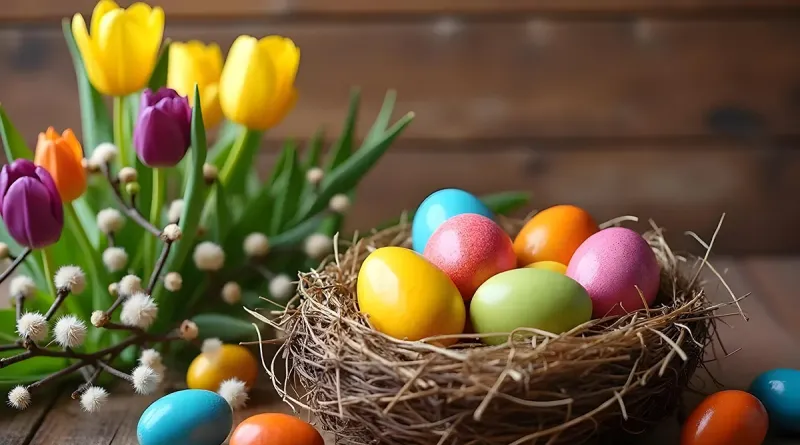
 In Romania, preparing the Easter basket is a ritual governed by ancient rules. While the modern pace of life often forces us to compromise, the traditional calendar dictates precise moments for every stage of preparation, turning the dyeing of eggs into an act of faith and renewal.
Holy Thursday: The Day Eggs Never Spoil
Authentic tradition marks Holy Thursday as the central moment for dyeing eggs. Also known as Passion Thursday, this is the day dedicated to deep cleaning and preparing foods that require time. Folk belief holds that eggs dyed on this day possess protective powers and, unlike those prepared at other times, will not spoil throughout the entire year.
The color red remains the primary choice, serving as the ultimate symbol of the blood sacrificed on the cross. Legend reminds us of the basket of eggs placed by the Virgin Mary beneath her son’s cross, which were sanctified and turned red by His sacrifice. Thus, the red egg became the messenger of the Resurrection, representing life’s victory over death.
Good Friday: The Silence Before the Resurrection
In contrast to the hustle of Holy Thursday, Good Friday is a day of profound reflection. In the Romanian tradition, this is a day of strict fasting and silence. It is the moment when the faithful commemorate the burial of Christ, which is why tradition strictly advises against any major household chores.
From both a religious and cultural perspective, dyeing eggs on Good Friday is avoided. It is considered a day of mourning where the focus shifts to introspection rather than kitchen prep. If time didn’t allow for finishing the process on Thursday, Saturday is the last accepted window for these sacred tasks.
Symbolism and Regional Art
Beyond the classic red, various regions like Bucovina or the rural areas of Olt add layers of complexity to the ritual. The art of egg painting (încondeiere) involves using beeswax or natural elements like onion skins and spring leaves to create intricate patterns. This reflects the deep bond between the Romanian people, nature, and the divine. Regardless of the technique used, the Easter egg remains the supreme symbol of fertility and hope.