
 Romania is a destination that masterfully balances the charm of medieval history with some of the most rugged, untouched natural landscapes in Europe. From the legendary castles of Transylvania to the serene waterways of the Danube Delta, the country offers a diverse palette of experiences for every type of traveler. Whether you are looking for architectural marvels or a deep dive into rural traditions, these essential locations define the very best of Romanian tourism.
Architectural Jewels: Iconic Castles and Royal Legacies
No trip to Romania is complete without exploring its architectural jewels, which serve as monuments to the country’s diverse royal and noble history.
Peles Castle, nestled in the resort town of Sinaia, is widely considered one of the most beautiful royal residences in Europe. Built by King Carol I in the late 19th century, it showcases German Neo-Renaissance elegance with over 160 rooms filled with priceless art, Murano glass chandeliers, and intricate wood carvings.
Just a short drive away, the dramatic silhouette of Bran Castle continues to captivate the world’s imagination. Perched on a cliffside, it is famously linked to the Dracula myth. However, the castle’s true history is even more compelling; it served as a beloved residence for Queen Marie of Romania, who transformed it into a cozy, bohemian royal retreat. Exploring its narrow winding stairs and secret passages offers a profound look into the medieval defense systems of the region.
Medieval Citadels and Timeless Saxon Villages
Transylvania is home to some of the most remarkably preserved medieval structures in the world. Sighisoara stands out as a living museum, being one of the few medieval citadels in Southeastern Europe that is still inhabited today. Its colorful houses, cobblestone streets, and the iconic Clock Tower transport you back to the 14th century.
For those seeking a “slow travel” experience, the Saxon villages of Transylvania offer a rare glimpse into a way of life that has remained unchanged for centuries. Viscri, a UNESCO World Heritage site, is perhaps the most famous, partly due to the conservation efforts supported by King Charles III. Here, visitors can witness traditional blacksmithing, stay in restored centuries-old guesthouses, and enjoy farm-to-table meals prepared with ingredients from the village’s own gardens.
Natural Wonders: From Mountain Peaks to the Delta
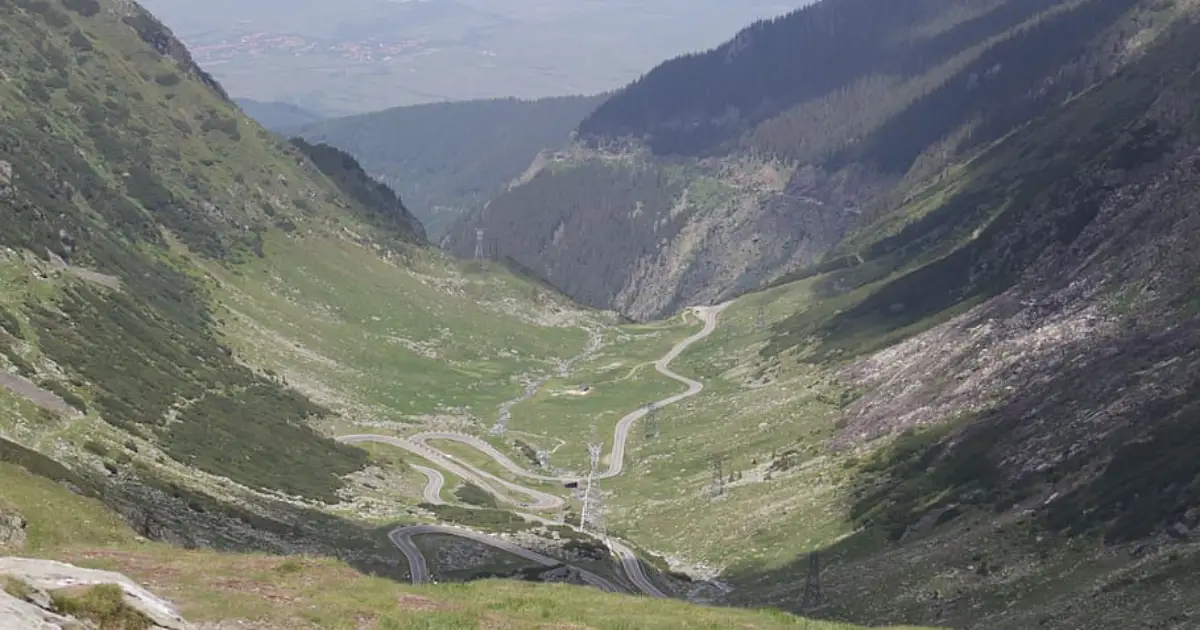
For road trip enthusiasts and hikers, the Romanian Carpathians offer a raw beauty that is increasingly hard to find elsewhere in Europe. The Transfagarasan Highway, often called “the best road in the world,” snakes across the Fagaras Mountains, reaching altitudes of over 6,500 feet. Nearby, the Transalpina offers an even higher drive, providing access to glacial lakes and stunning panoramic views above the clouds.
In stark contrast to the rocky peaks, the Danube Delta—another UNESCO World Heritage site—offers a peaceful sanctuary for wildlife lovers. As the best-preserved delta on the continent, its labyrinth of canals, reed beds, and marshes is a birdwatcher’s paradise, home to over 300 species of birds, including the majestic Dalmatian pelican. A boat trip through the Letea Forest, where wild horses roam among ancient oaks, is a bucket-list destination for anyone seeking a true connection with nature.
Spiritual Heritage: The Painted Monasteries of Bucovina
Traveling north to the region of Bucovina reveals a spiritual landscape unlike any other. The Painted Monasteries, such as Voronet (known for its unique shade of blue), Sucevita, and Moldovita, feature exterior frescoes that have survived the elements for over 500 years. These “Bibles in color” were designed to tell religious stories to the illiterate villagers of the time and remain masterpieces of Byzantine art that continue to inspire awe with their vivid detail and storytelling power.