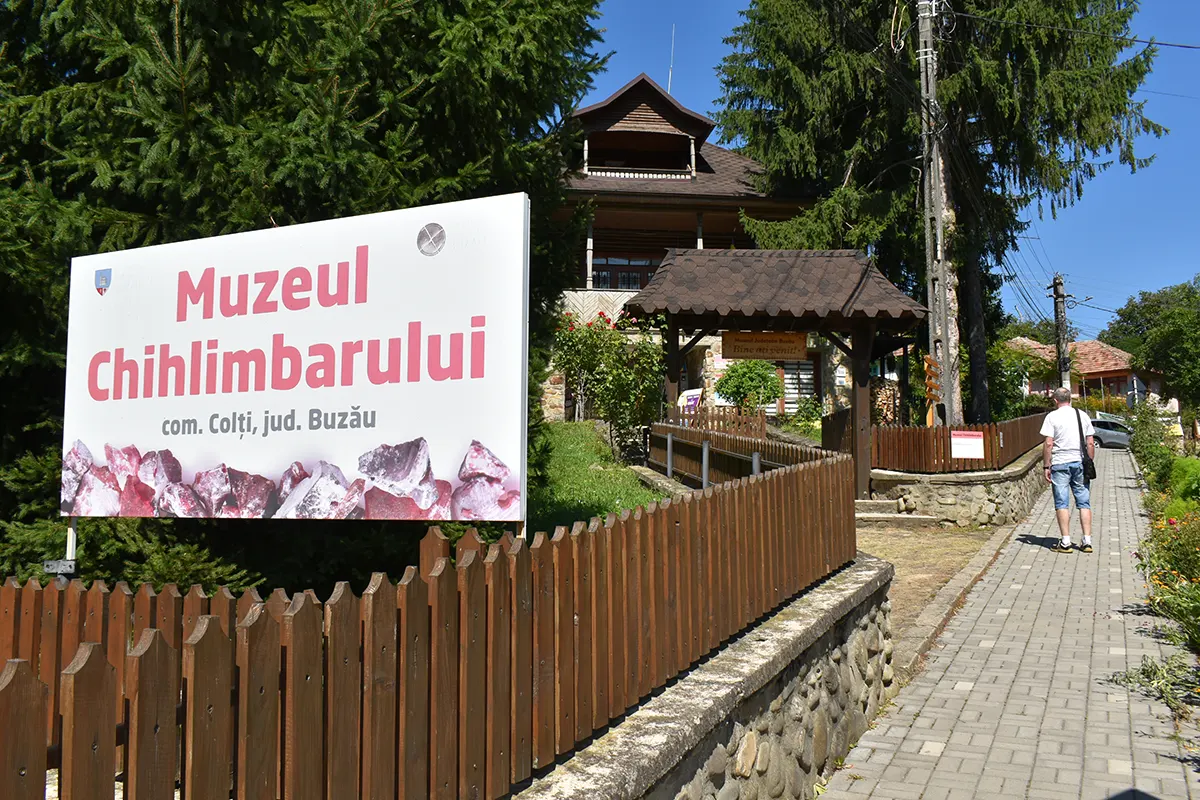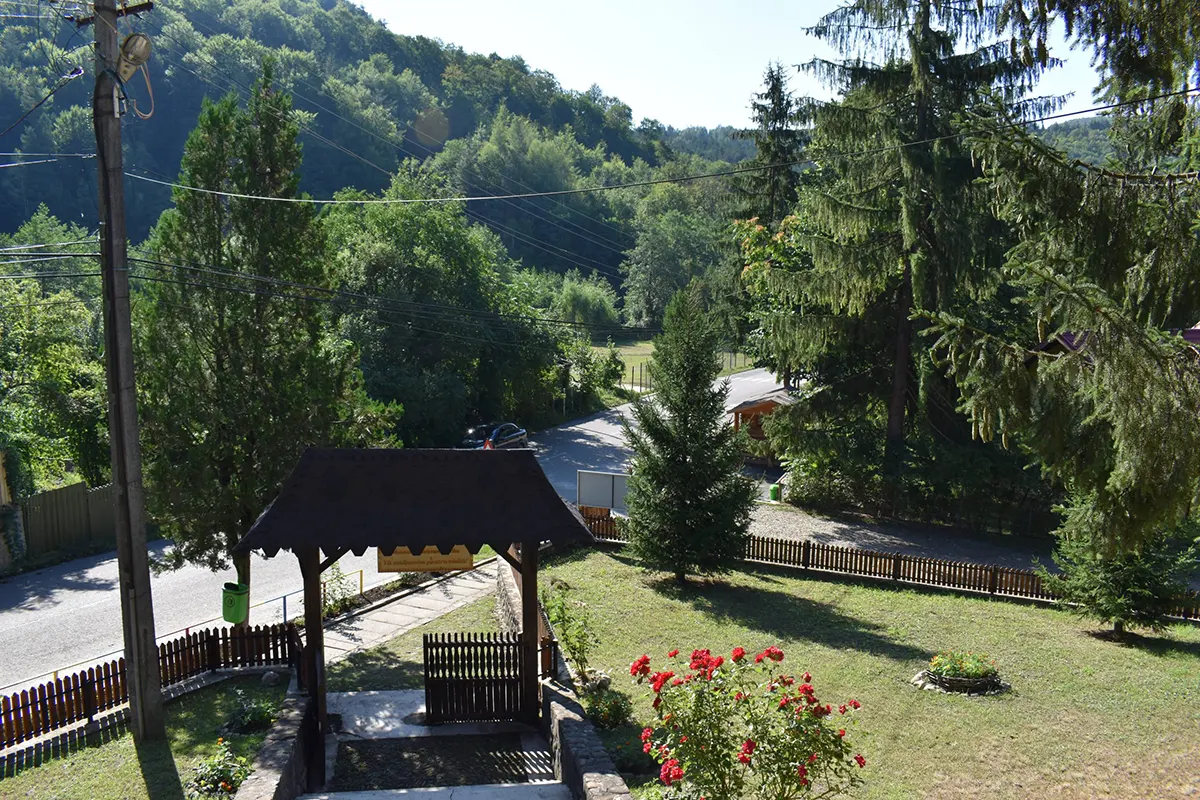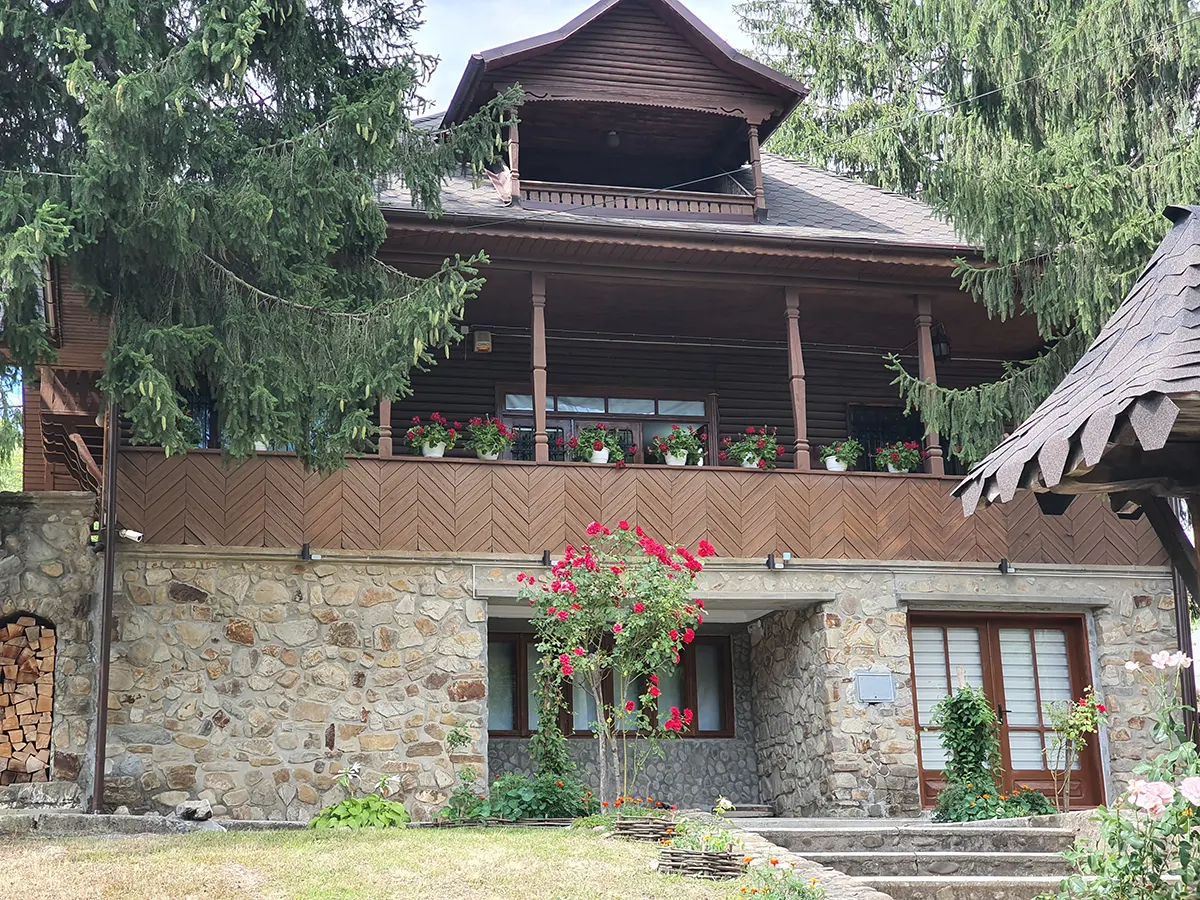
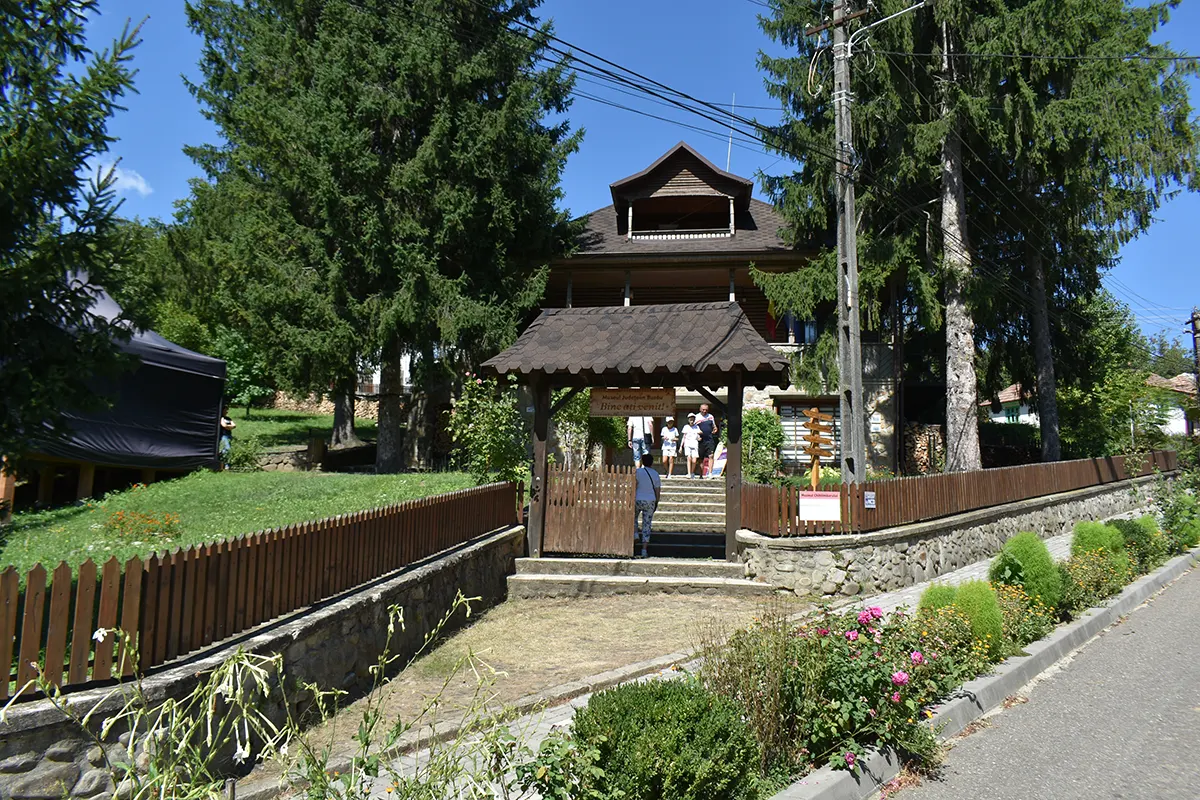
 In Colți village, Buzău County, lies one of Romania’s most fascinating cultural and natural heritage sites: the Amber Museum of Colți, the only museum in the country entirely dedicated to amber, locally known as rumanite. The interest in the amber deposits found in this area, along with the long-standing local tradition of extracting and processing this fossilized resin, led to the creation of the museum collection, officially inaugurated on June 14, 1980.
The initiative itself dates back to 1973, when the construction of the museum building began in a traditional architectural style specific to the region. At the same time, efforts started to gather amber nuggets, historical tools, archival documents, and objects connected to the life and work of the local community.
Evolution and modernization of the museum
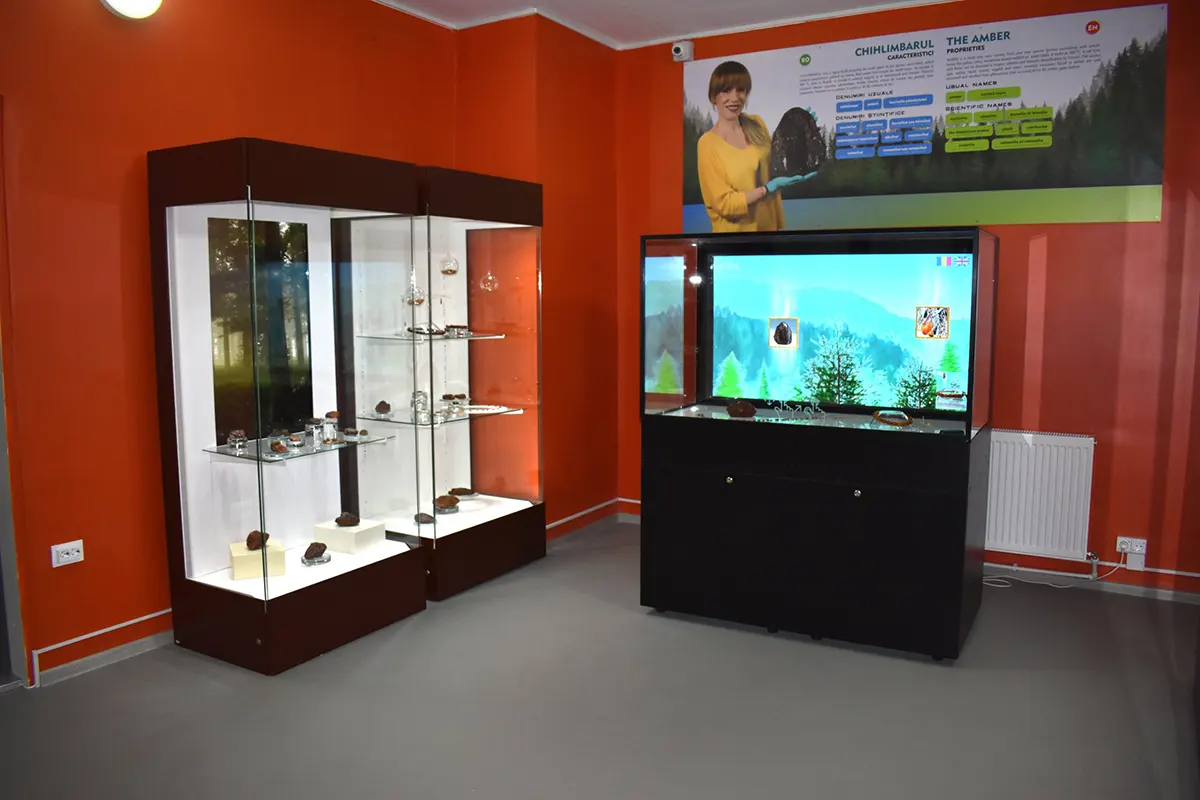
Over the years, the collection has been reorganized multiple times, in 1983, 1990, 2000, 2010, and 2020. Since October 2020, the institution has officially been named the Amber Museum. After an extensive renovation process carried out between 2019 and 2020, the museum was reopened in August 2020 with a modern exhibition concept that blends natural heritage with interactive museum technology, offering visitors a far more immersive experience than ever before.
Rare collections and scientific value
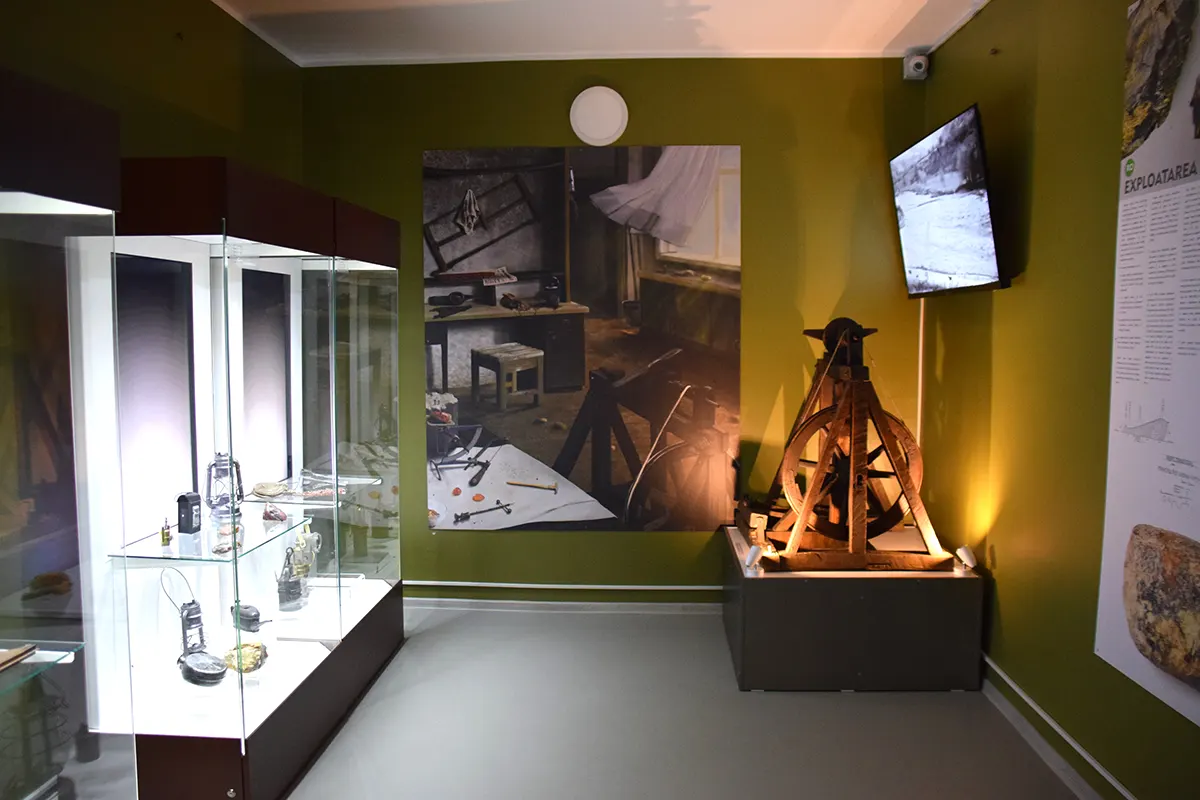
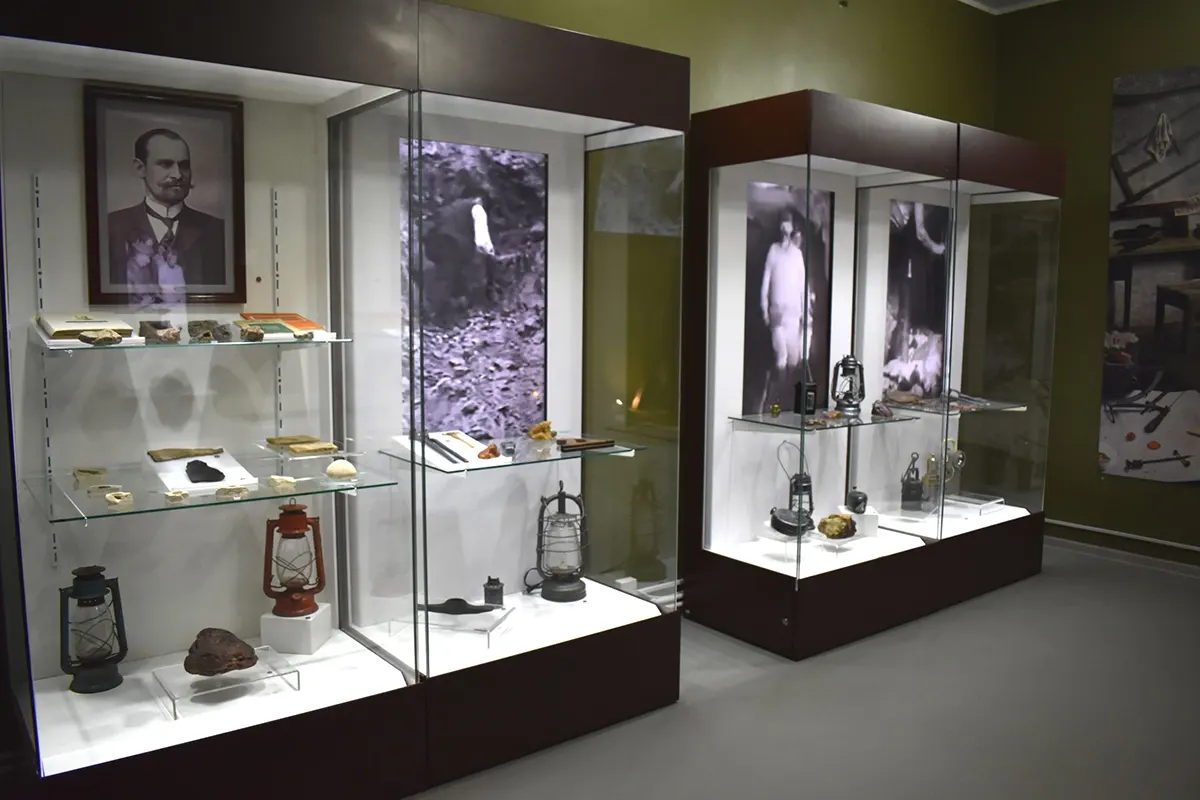
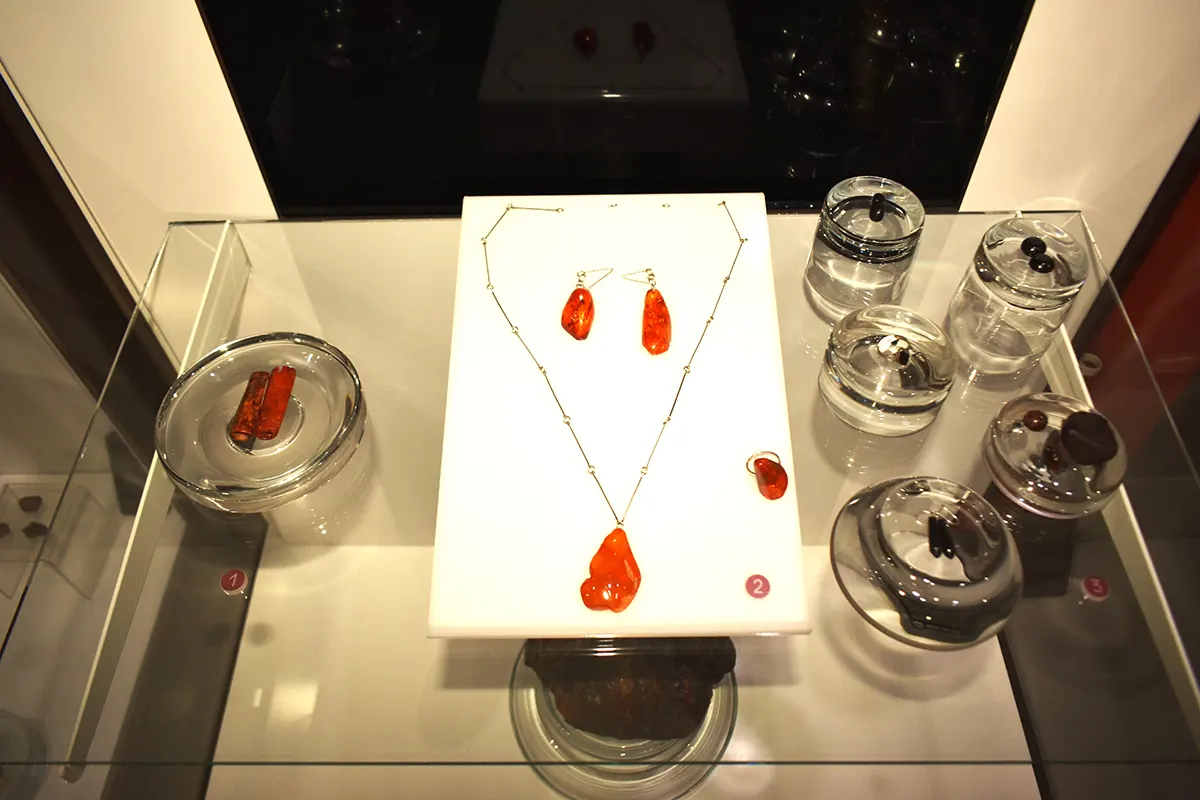
The museum is unique in Romania due to the diversity and scale of its amber collection. It includes raw amber nuggets of various sizes, as well as handcrafted jewelry such as rings, earrings, pendants, necklaces, brooches, and beads. It also preserves traditional tools used for extraction and processing, including wooden lathes, hammers, pickaxes, and oil lamps.
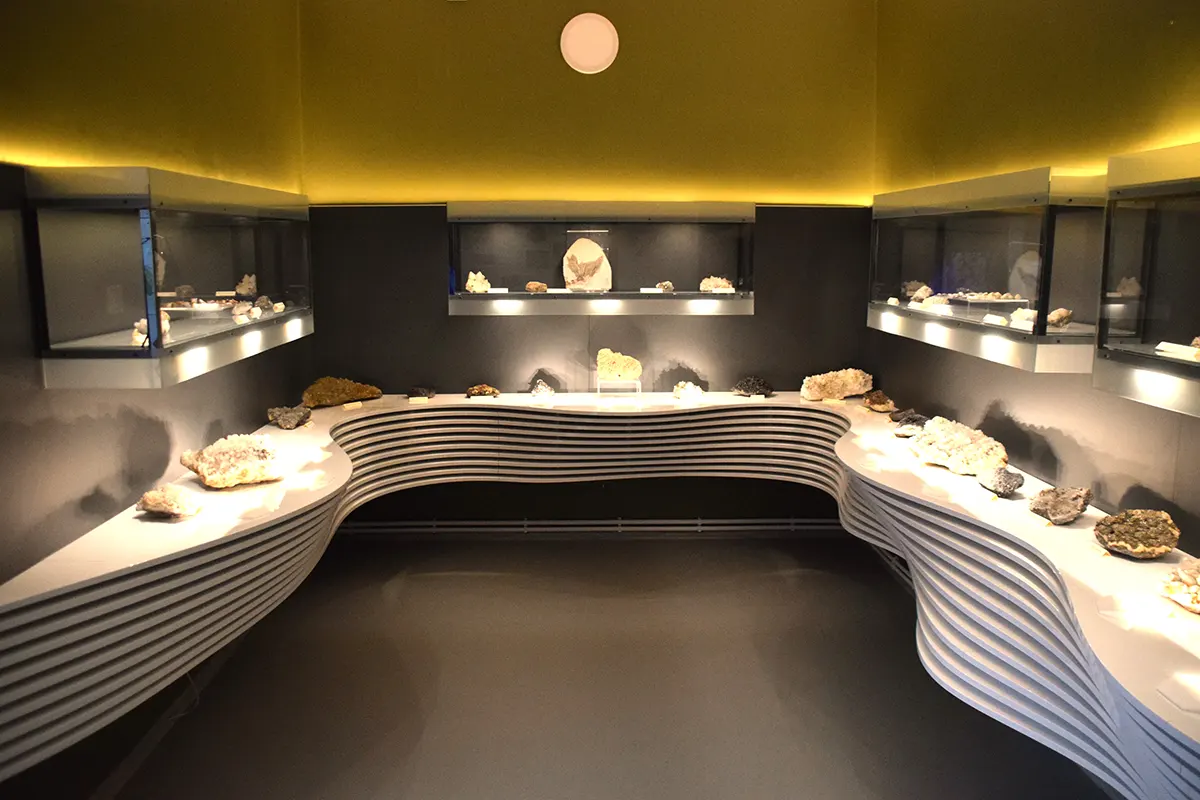
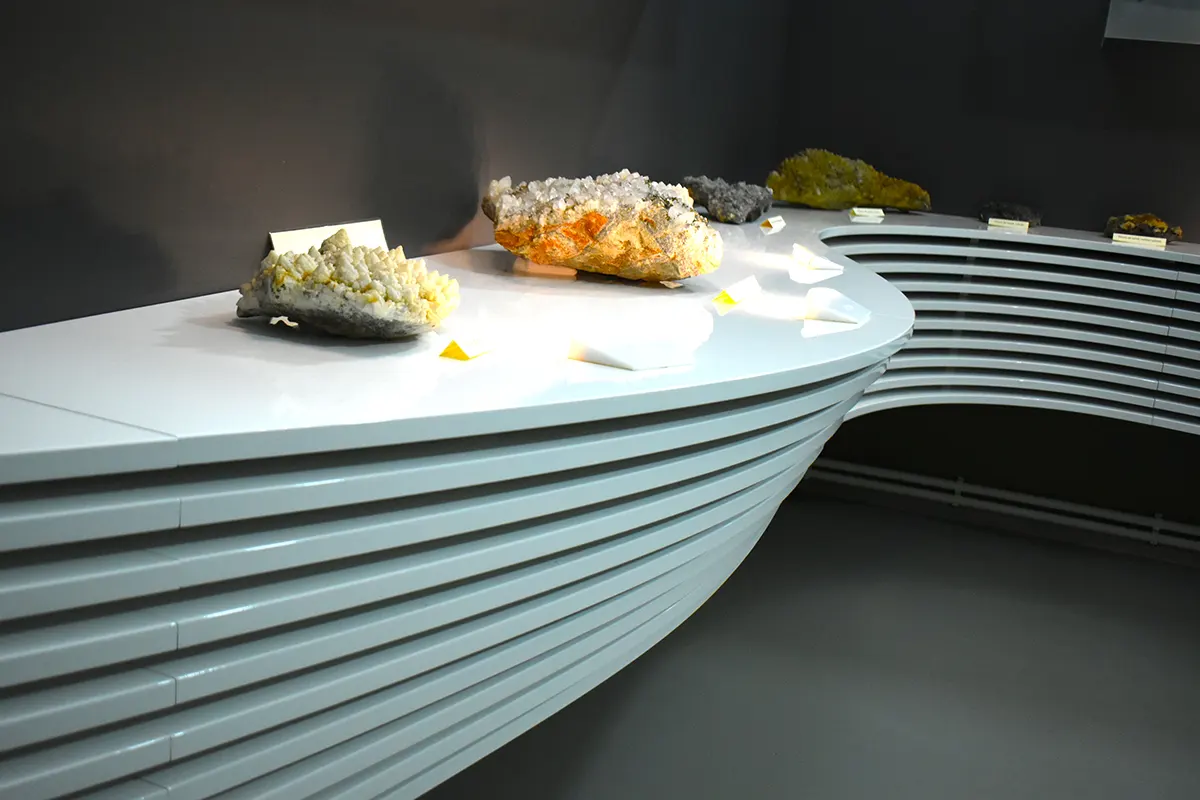
Alongside amber, the museum displays mineral specimens and “mineral flowers” from different regions of Romania, positioning the institution as an important reference point for national geological heritage. The amber itself varies widely in color, ranging from golden yellow to reddish-brown and even greenish-black tones, presented both in raw and polished forms.
Interactive museum technology
A defining feature of the Amber Museum of Colți is its integration of modern exhibition technology. Smart display cases with touchscreens, synchronized LCD panels, intelligent lighting systems, and interactive 3D furniture enhance the visitor experience. Touchscreen monitors provide detailed historical and scientific information, while the atmosphere is enriched by ambient sound design and archival footage, including rare recordings from 1934 showing traditional amber extraction and processing techniques.
Exhibition rooms and thematic structure
The museum is organized into five exhibition rooms, each exploring a different dimension of the region’s heritage. One room is dedicated to the “Grota de la Nucu-Bozioru,” a unique rock-hewn complex with deep spiritual and historical significance, featuring traces of human activity from prehistoric times through the Middle Ages. Another room presents prehistoric fauna from the Buzău region, showcasing fossil remains of extinct giant mammals.
A central section of the museum focuses on amber extraction and processing, highlighting both traditional methods and scientific research. A special reference is made to the Romanian scientist Gheorghe Munteanu-Murgoci, who conducted the first monographic study of the Colți amber deposits and demonstrated the exceptional value of local rumanite, considered one of the rarest forms of amber in the world due to its distinctive dark coloration.
Another gallery explores the history and refinement of amber as a material, while a separate space is dedicated to minerals and geological samples from across Romania, presented in a modern museographic setting.
Uniqueness and cultural importance
The Amber Museum of Colți stands out not only for its rare collections but also for its scientific and cultural significance. The region once yielded approximately 2,000 kilograms of amber during the interwar period, underlining its historical importance in European amber production.
Among the most remarkable pieces in the collection is a 3,480-gram block of rumanite, considered one of the largest amber specimens in the world. Through its combination of natural heritage, scientific research, and modern exhibition design, the museum offers a rare insight into one of Romania’s most distinctive geological resources.