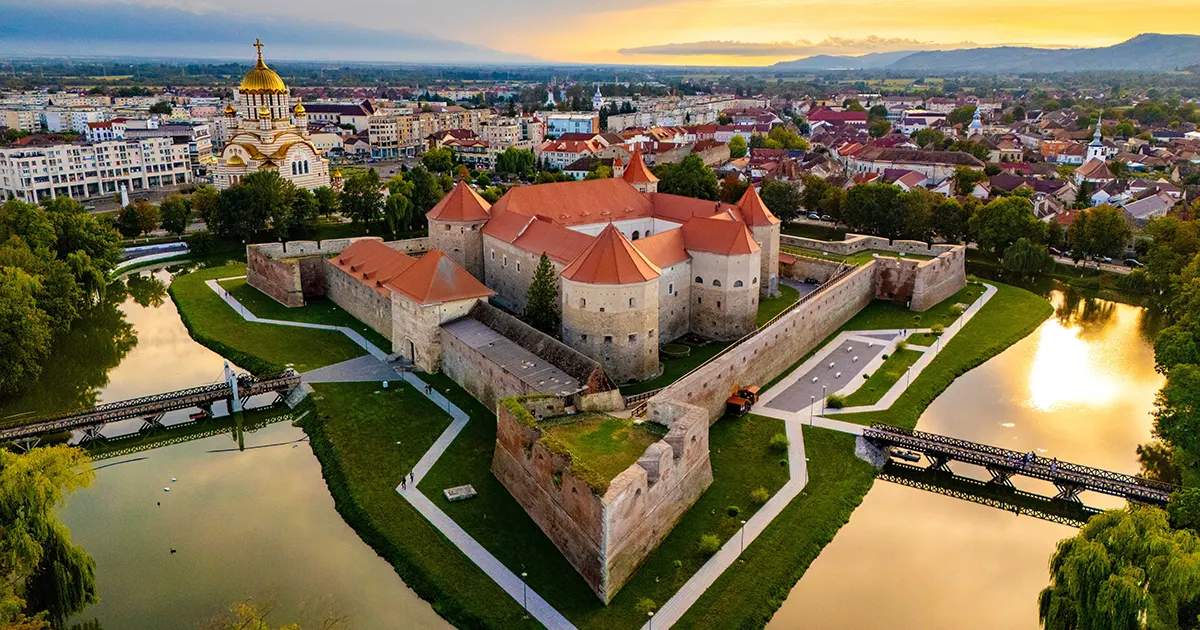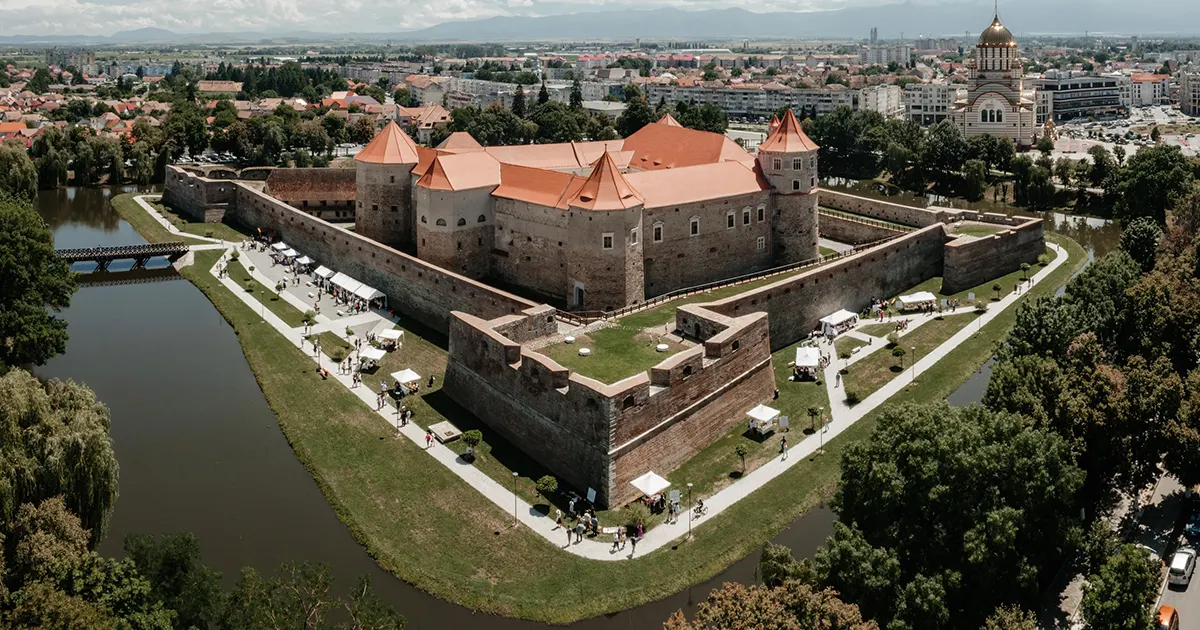
 Făgăraș Citadel stands as one of the most imposing and best-preserved testimonies of the European Middle Ages. Strategically located in the heart of Romania, this architectural gem is more than just a stone monument; it is a living chronicle of Transylvania, spanning over six centuries of history, sieges, and spectacular transformations.
From Timber Walls to Princely Palace
The roots of this site reach back to the 12th century, when the first defense structure was built of wood and earth. After a fire consumed the old fortress, the late 14th century marked the beginning of stone construction, turning the location into a vital strategic point.
A major evolution occurred in the 16th century under the command of Ștefan Mailat. He coordinated the expansion of the complex, initiating the metamorphosis from a strictly military citadel into a fortified feudal castle worthy of the great European courts of the time.
The Golden Age and Italian Renaissance Influences
Between the 16th and 17th centuries, Făgăraș Citadel reached the height of its glory, becoming the official residence of the Princes of Transylvania. Historical figures such as Gabriel Bethlen and George Rákóczi I left an indelible mark on the aesthetics and security of the site.
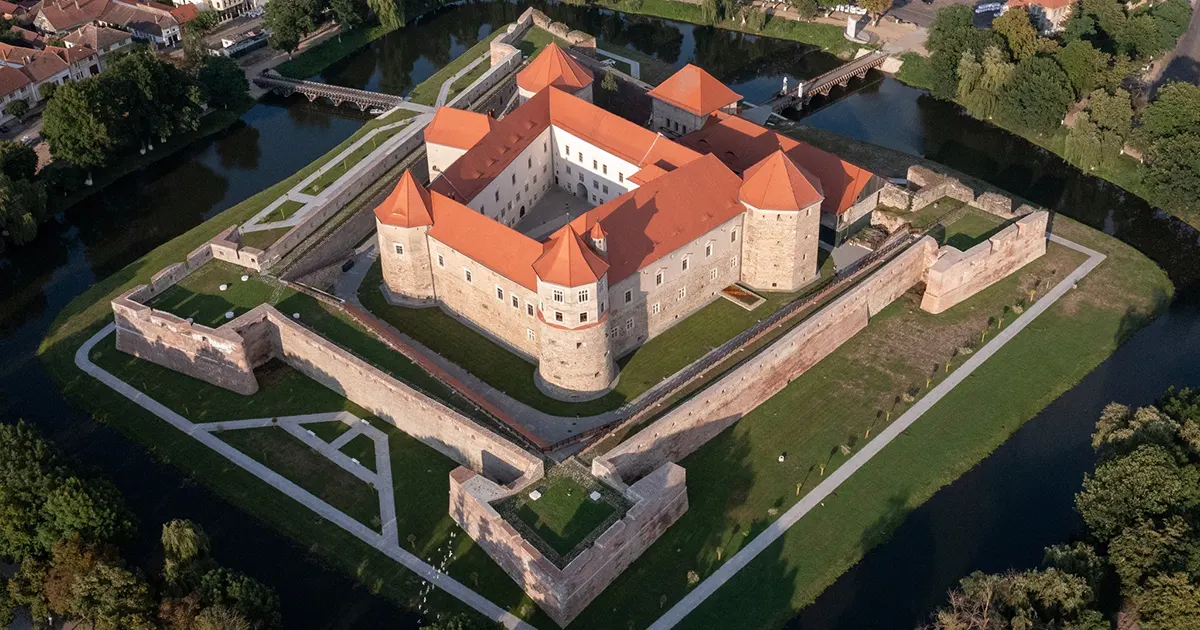
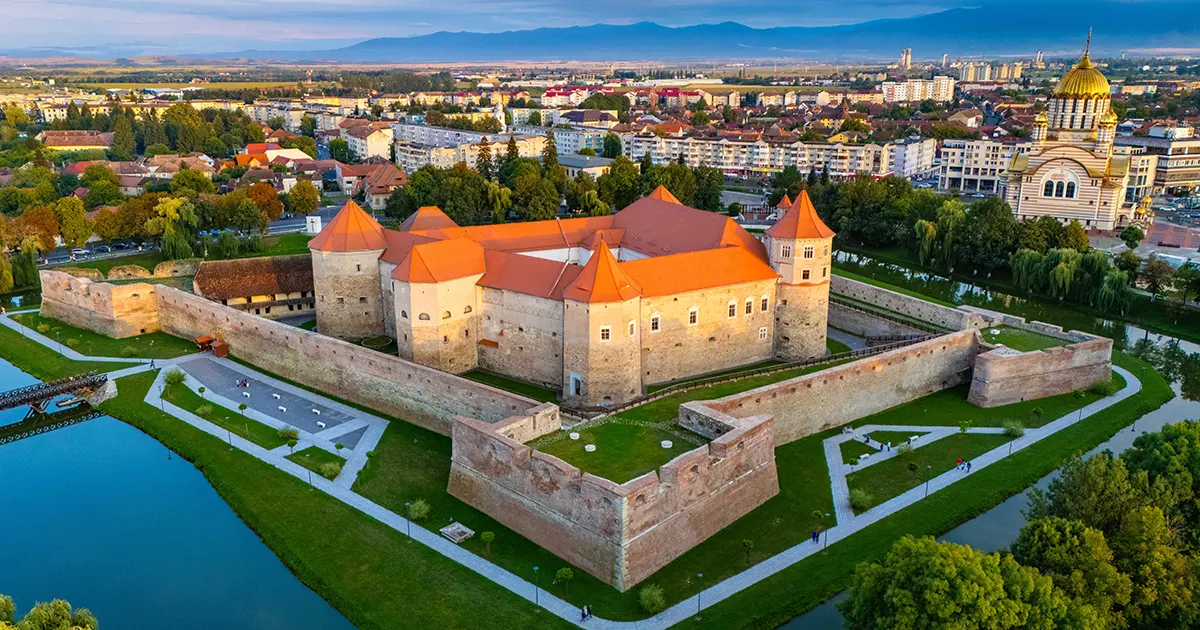
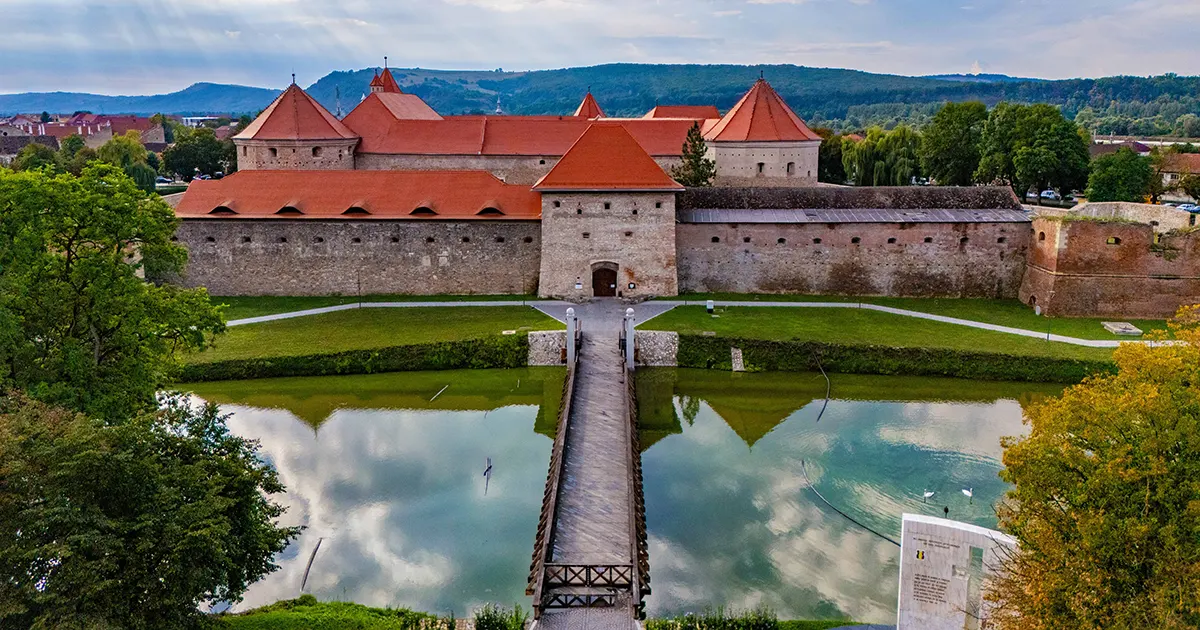
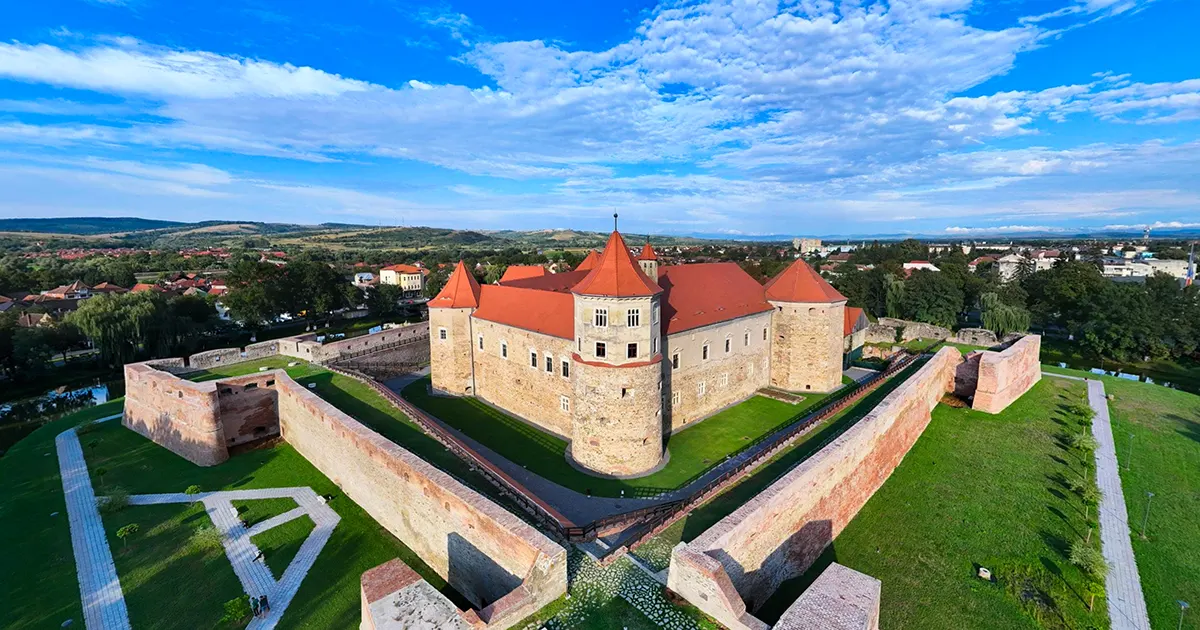
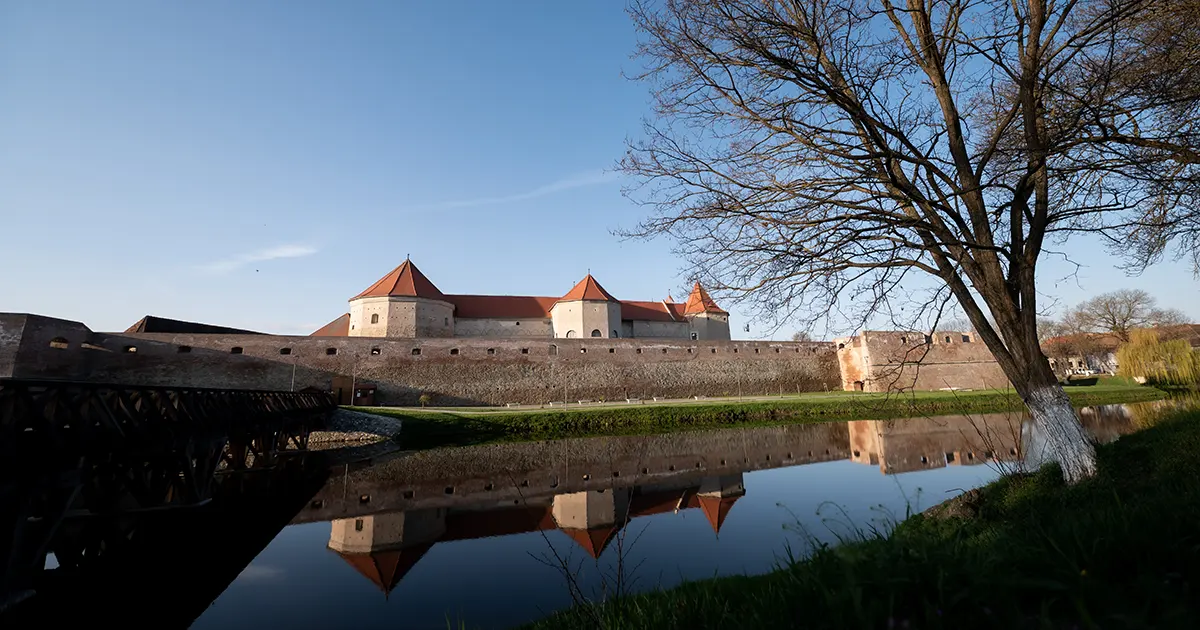
Under the guidance of Italian architects, the fortress adopted Renaissance style elements, still visible today in the elegant decorative details and graceful loggias. In parallel, the defensive system became nearly impenetrable. The walls were massively thickened, and the moat, fed directly from the Olt River, transformed the fortress into an island that was incredibly difficult to conquer, giving it a unique visual charm in the local landscape.
An Authentic Experience Within the Defense Walls
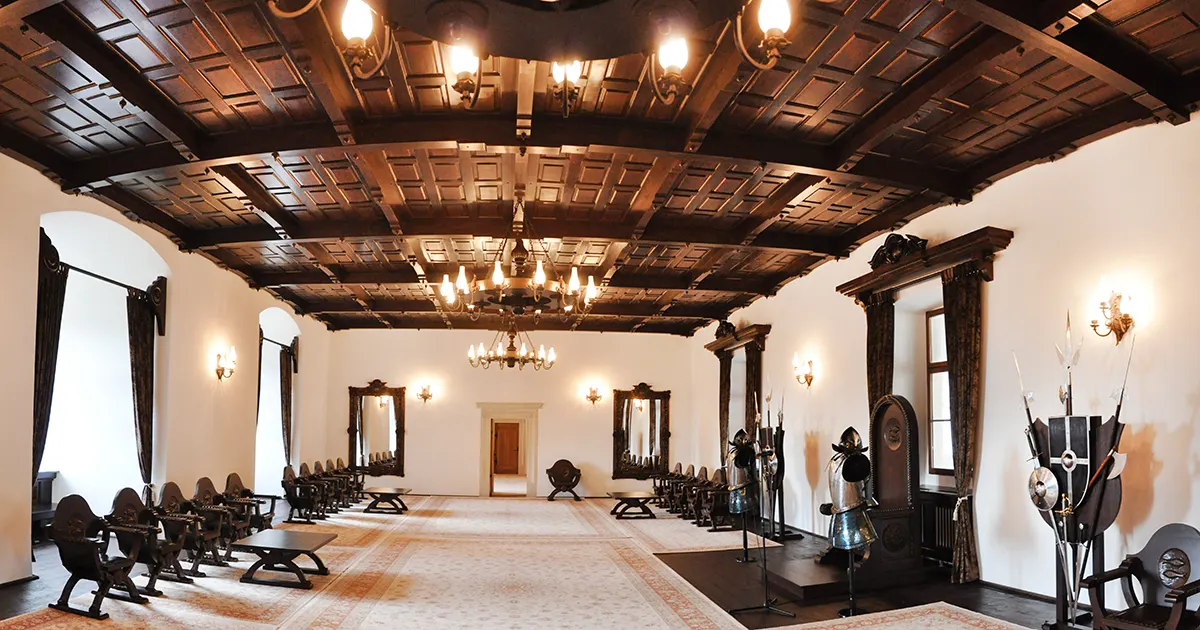
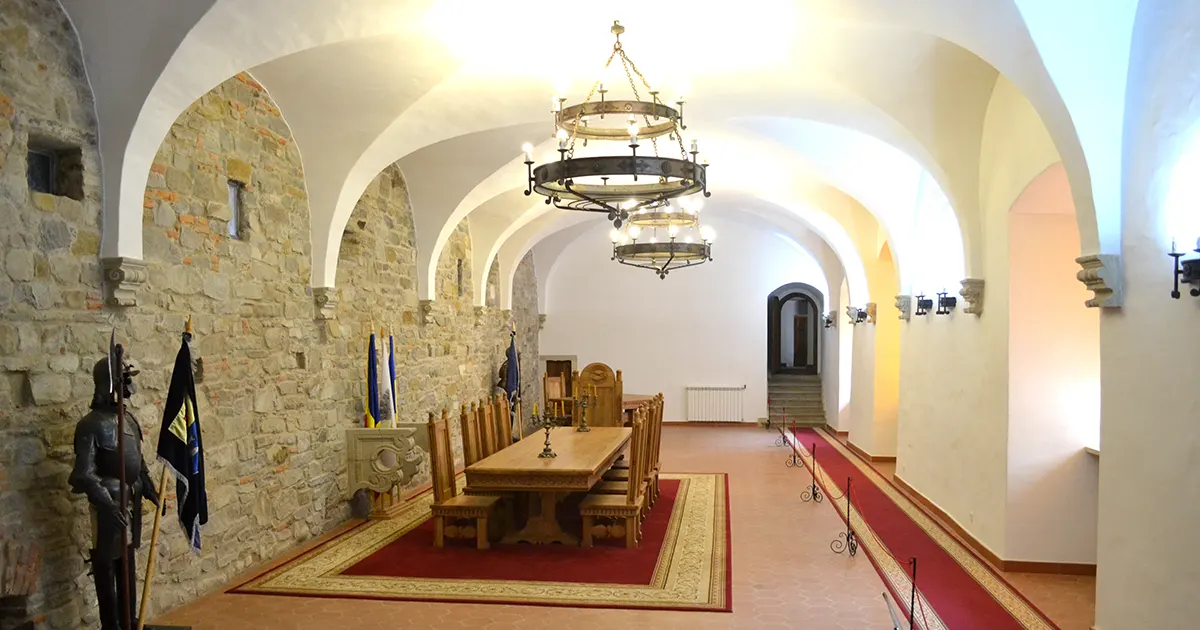
Visitors who cross the threshold of the citadel today discover a vast space where history is felt at every step. From the reception halls that still echo the noble parties of the past to the inner courtyards reflecting military rigor, every corner offers an opportunity for exploration and photography.
The uniqueness of the monument is highlighted by the reflection of the massive walls in the mirror of the surrounding water. This feature makes Făgăraș Citadel a favorite destination for visual content creators and tourists seeking that medieval fairytale atmosphere, far from the noise of modernity.
Culture and Living Tradition Under the Open Sky
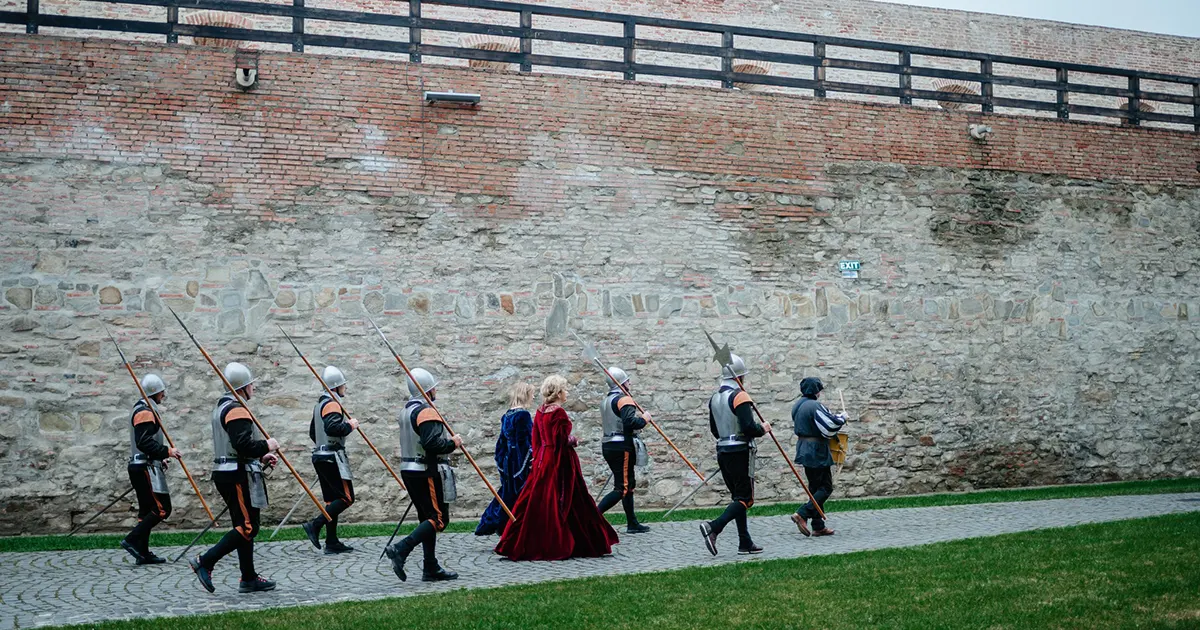
Beyond its cold walls, the citadel vibrates with life through constantly organized events. The space hosts art exhibitions, medieval festivals, and historical reenactments that allow the public to interact directly with the traditions of yesteryear.
Whether you choose a summer visit for outdoor performances or a quiet exploration on an autumn day, the experience is always different. The citadel remains an essential cultural pillar for the Făgăraș land, successfully connecting a glorious past with the modern tourist’s desire for experiential learning.